You moisturise morning and night, use a serum and a toner — and yet your skin still sometimes feels dry, irritated or sensitive? Ceramides could be the missing piece in your routine. They're one of the most underrated ingredients in skincare — even though they make up around 50 percent of your skin barrier.
In this article you'll learn exactly what ceramides are, why levels decline with age, and how to actively support your skin barrier — with the right ingredients and a well thought-out routine.
What are ceramides — and why does your skin need them?
Ceramides are lipids (fats) that occur naturally in the outermost layer of skin — the stratum corneum. Picture your skin like a brick wall: the skin cells are the bricks, and ceramides are the mortar between them. Without that mortar, the wall becomes porous — moisture escapes, and outside irritants get in more easily.
There are several classes of ceramides (scientists distinguish at least 12 types), but they all share the same job: keeping the skin barrier intact. A well-functioning skin barrier protects against:
- Transepidermal water loss (TEWL) — the invisible evaporation of moisture
- Environmental stress such as fine particulate matter, UV radiation and cold
- Irritation and redness from outside influences
- Bacteria and germs that can trigger blemishes
When and why do ceramides decline?
The bad news: from around the mid-30s onwards, skin's natural ceramide content starts to drop. With each decade, skin loses part of its protective layer — and you notice it. Typical signs of a ceramide shortfall include:
- A tight feeling despite regular care
- Dry, flaky patches — especially on cheeks and forehead
- Increased sensitivity to products you used to tolerate without any issues
- Redness and irritation that takes longer to settle
- A dull complexion — because skin no longer holds onto moisture as effectively
But age isn't the only factor. These can also affect ceramide production:
- Aggressive cleansing: washing too often or harsh surfactants break down the lipid layer
- Dry heating air: especially in winter, dry indoor air draws moisture out of the skin
- UV exposure: chronic sun exposure damages the barrier layer
- Seasonal changes: especially in spring, when skin is recovering from winter stress, the barrier can be more vulnerable
Building ceramides back up: which ingredients support the skin barrier?
The good news: you can actively support your skin barrier. Alongside products that contain ceramides directly, there are several ingredients that can encourage the skin's own ceramide production or strengthen barrier function in other ways.
Niacinamide — the ceramide booster
Niacinamide (vitamin B3) is one of the most well-studied ingredients in dermatology. Research shows niacinamide can encourage the skin's own ceramide synthesis — helping your skin produce more ceramides on its own. At the same time, it can help refine the look of skin texture and even out uneven pigmentation.
Hyaluronic acid — the moisture reservoir
While ceramides seal the barrier from the outside, hyaluronic acid helps bind moisture in the deeper layers of skin. Serums with different hyaluronic acid molecule sizes can supply moisture to both the skin's surface and its deeper layers.
Bakuchiol — gentle barrier support
Bakuchiol is a plant-based alternative to retinol and can support skin renewal without stressing the barrier — an important point if you have sensitive or ceramide-depleted skin. A light day cream with bakuchiol can support the protective layer every day.
Mild acids — renewal without disruption
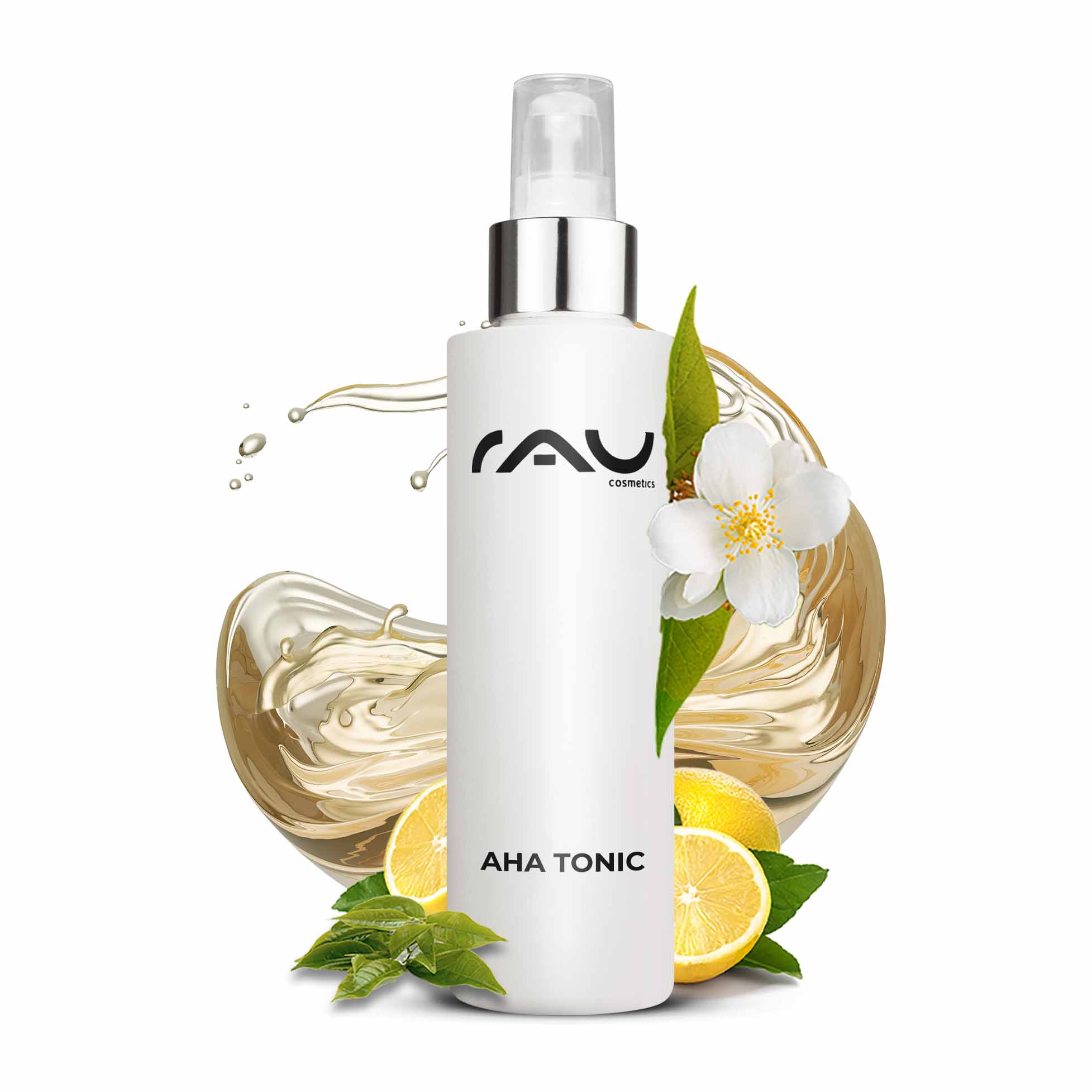
Fruit acids like AHA can, at low concentrations, support cell renewal without damaging the barrier. A mild AHA toner can gently remove dead skin cells and improve how well subsequent products absorb. Important: if your barrier is significantly compromised, cut back on acids until skin has recovered.
Building a routine for a strong skin barrier
A ceramide-conscious routine doesn't need to be complicated. Three basic principles are enough:
1. Cleanse gently: use mild, pH-neutral cleansers. Avoid products that list Sodium Lauryl Sulfate (SLS) at the top of the INCI list — it can break down the lipid layer.
2. Lock in moisture: apply a hyaluronic acid serum to damp skin after cleansing. That helps trap moisture in the skin. The Golden Hyaluron Gel can help support your moisture supply.
3. Seal it in: finish with a rich cream that contains lipids. This helps prevent moisture from escaping overnight or during the day.
Not sure what your skin type is or which routine suits you best? Our skin type finder can help.
Common mistakes that damage your skin barrier
Sometimes the problem isn't a lack of care, but well-meaning habits that actually harm the barrier:
- Too many actives at once: retinol, AHA, vitamin C and niacinamide all in one routine? Less is more, especially if the barrier is already compromised.
- Water that's too hot: a hot shower feels great, but it strips natural skin lipids — ceramides included.
- Over-moisturising: paradoxically, too much cream can cause skin to scale back its own lipid production.
- Over-exfoliating: daily mechanical or chemical exfoliation can damage the stratum corneum. Once or twice a week is plenty.
Spotting ceramides on the INCI list
If you're looking for products that contain ceramides, watch for these names on the INCI list:
- Ceramide NP (formerly Ceramide 3) — the most commonly used in cosmetics
- Ceramide AP (formerly Ceramide 6-II) — supports skin cell turnover
- Ceramide EOP (formerly Ceramide 1) — especially important for barrier structure
- Phytosphingosine — a ceramide precursor that encourages the skin's own production
- Sphingolipids — the broader lipid class that ceramides belong to
Tip: ceramides work best alongside cholesterol and free fatty acids — together, these three lipids form the natural barrier. High-quality formulas combine them in a 3:1:1 ratio.
Frequently asked questions about ceramides
At what age should I start paying attention to ceramides?
In principle, any skin type can benefit from ceramides. From the mid-30s onwards, when the skin's own ceramide production starts to decline, targeted barrier support becomes especially worthwhile. For sensitive or dry skin, focusing on barrier care earlier can also help.
Can I combine ceramides with retinol?
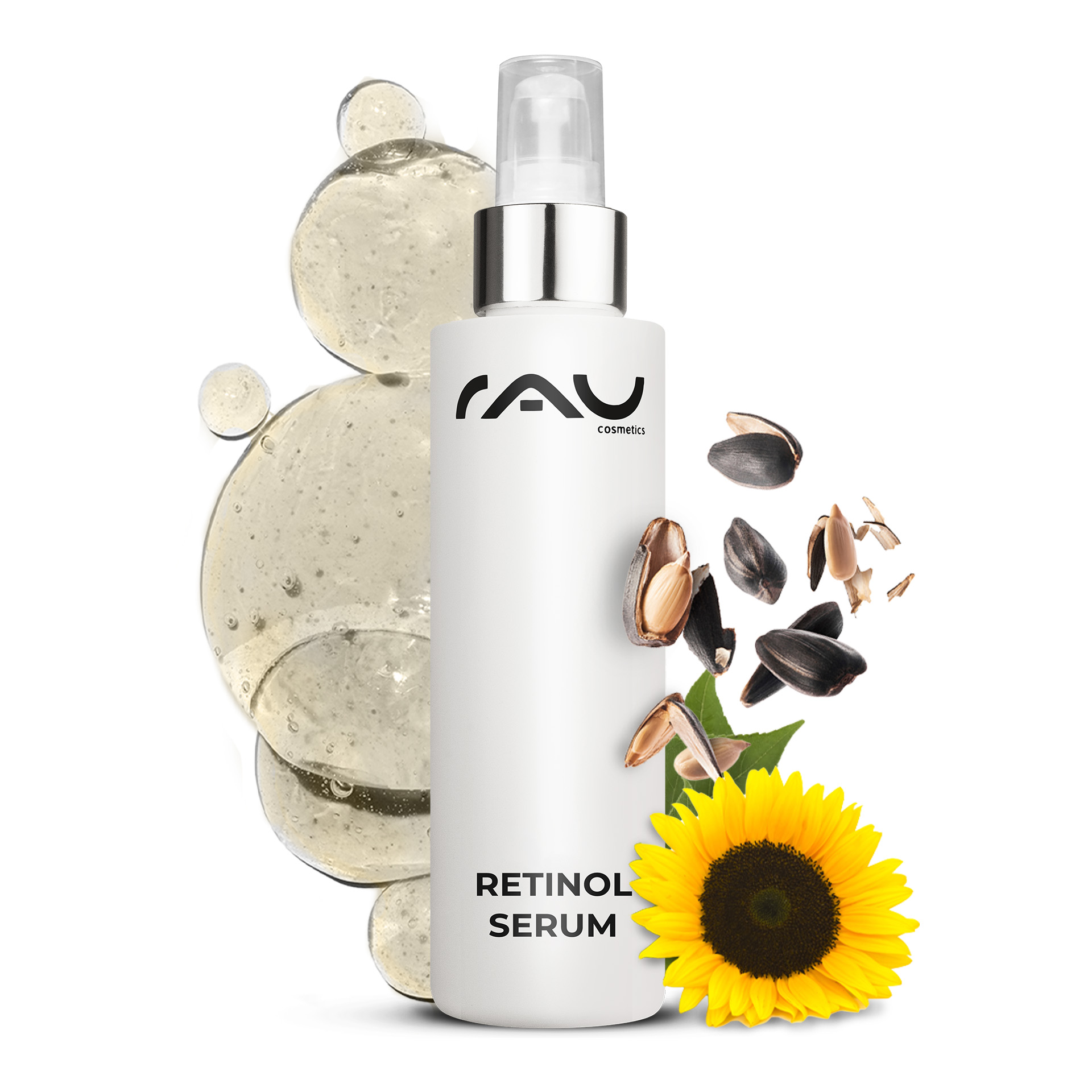
Yes — ceramides and retinol actually complement each other well. Retinol can initially dry out or irritate skin. Ceramides help keep the barrier stable in the meantime. If you layer your products correctly, you can use both ingredients in one routine.
Do ceramides help with eczema or atopic dermatitis?
Research suggests that people with atopic dermatitis often have reduced ceramide levels in their skin. Ceramide-containing care can help support the skin barrier and may contribute to how the skin feels overall. If you have a diagnosed condition like atopic dermatitis, though, we recommend coordinating your skincare with a dermatologist.
Are plant-based ceramides just as effective as synthetic ones?
Plant-based ceramides (for example, from rice, wheat or soy) are structurally very similar to the skin's own ceramides. They can support barrier function and are generally very well tolerated. Synthetic ceramides are often identical to the natural ones — both types can be effective.
Can you use too many ceramides?
There's no such thing as a classic ceramide overdose — they're a natural part of the skin. That said, overly rich care can leave an unwanted film on oily skin. In that case, it's worth choosing lighter textures and adjusting the amount to suit your skin.