You've probably read that hyaluronic acid is a real moisture wonder. What many people don't know: not all hyaluronic acid is the same. The key difference lies in the molecule size — and that determines whether your serum only smooths the surface or actually reaches deeper layers of the skin. Here's what's behind the terms high and low molecular weight, what each variant can do — and how to combine both sensibly in your routine.
Why hyaluronic acid isn't just hyaluronic acid
Hyaluronic acid (chemically: sodium hyaluronate) is a molecule the body produces naturally, found in your skin, joints and connective tissue. It can bind many times its own weight in water — which makes it the most important natural moisture reservoir in your skin.
But here's where it gets interesting: in cosmetics, hyaluronic acid is used in different molecule sizes — measured in daltons (Da). And that size determines how deep the active ingredient can penetrate into your skin.
- High molecular weight hyaluronic acid (over 1,000 kDa): Large molecules that stay on the skin's surface. They form an invisible moisture film there that can make skin look instantly smoother and plumper. Ideal for a quick glow effect.
- Medium molecular weight hyaluronic acid (50–1,000 kDa): Penetrates into the upper layers of the epidermis. Supports the skin's own moisture balance and can help soften the appearance of fine lines.
- Low molecular weight hyaluronic acid (under 50 kDa): Small molecules that can reach deeper into the skin. They support moisture supply from within and, with regular use, can help improve the complexion over the long term.
The rule of thumb: the smaller the molecule, the deeper it can potentially work. But that doesn't mean low molecular weight is automatically "better" — both variants have their strengths.
High vs. low molecular weight: what does each one do?
In skincare forums and on social media, you'll often read blanket claims like "only low molecular weight hyaluronic acid actually does anything". That's not quite right. You get the best results by combining both variants — here's why:
High molecular weight hyaluronic acid acts like a shield on your skin. It draws moisture from the surrounding air and holds it at the skin's surface. This instantly plumps up the top layer of skin and leaves it feeling smooth and supple. At the same time, the moisture film helps protect against transepidermal water loss — in other words, it helps prevent your skin from drying out from within.
Low molecular weight hyaluronic acid, on the other hand, works beneath the surface. It can penetrate the epidermis and bind water there. Studies suggest that, with regular use over several weeks, it can help measurably improve skin moisture and soften the look of fine lines. Results may vary from person to person.
The smartest strategy, then, is a product that combines several molecule sizes. That way you get the instant glow effect on the surface, plus long-term moisture support in deeper layers. Our Hyaluronic Plump & Glow Serum is built on exactly this multi-molecular principle, combining several hyaluronic acid fractions in one formula.
How to work hyaluronic acid into your routine the right way
Hyaluronic acid only works at its best if you apply it correctly. Here are the most important tips:
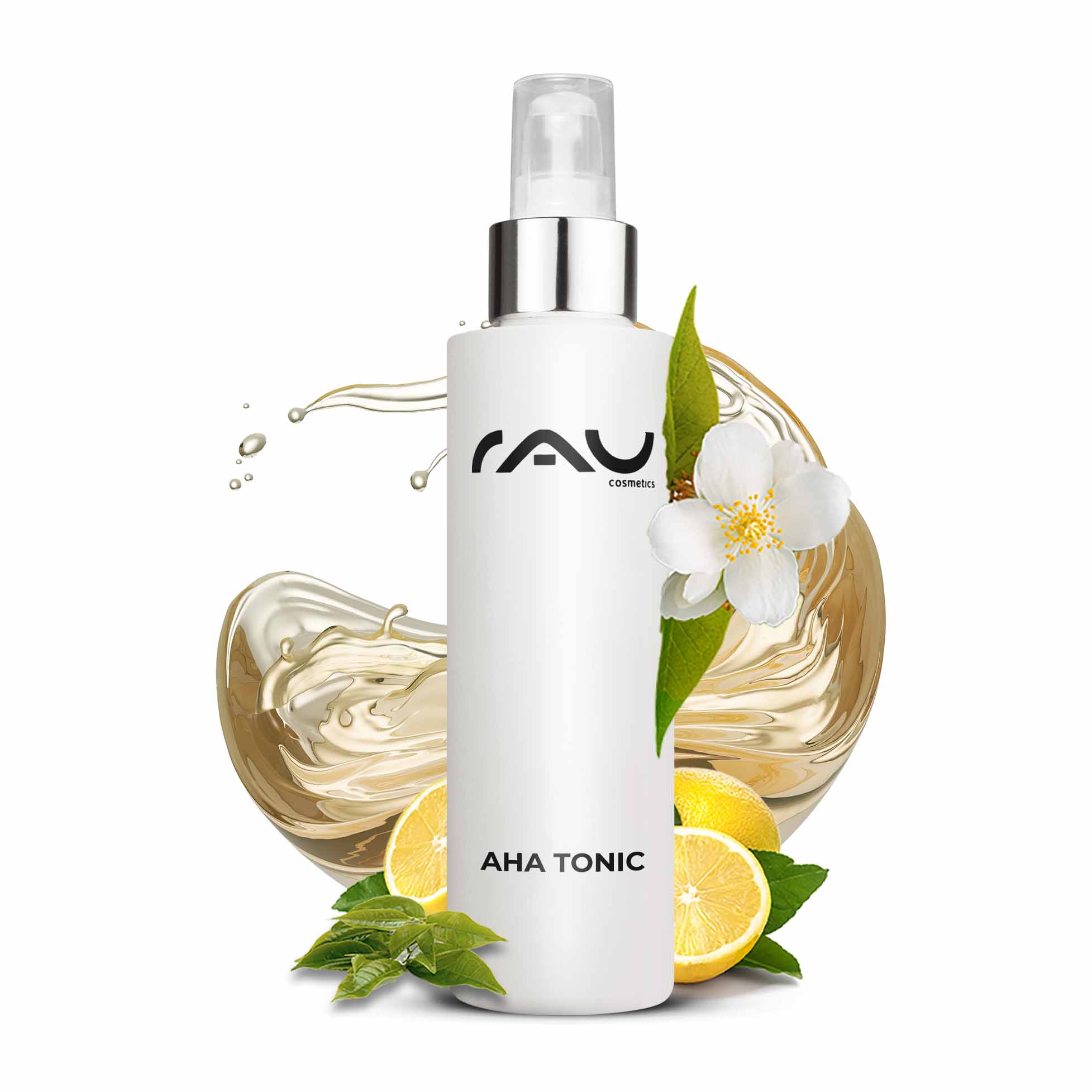
1. Apply to slightly damp skin. Hyaluronic acid binds water — and that water has to come from somewhere. If you apply a hyaluronic acid serum to completely dry skin, in the worst case it can draw moisture out of the deeper skin layers instead of from the surrounding air. So mist your face with a toner or some thermal water before your serum. A mild fruit-acid toner like the AHA Toner preps the skin at the same time and can support the absorption of the care that follows.
2. Use hyaluronic acid serum before cream. The order in your routine matters: after cleansing and toner, apply the watery hyaluronic acid serum first, then the richer cream on top. The cream seals in the moisture and stops it from evaporating. If you're unsure how to layer your products, read our guide to skincare layering.
3. Morning and evening both work. Hyaluronic acid is well tolerated and can be used twice a day. In the morning it plumps up skin under make-up; in the evening it supports overnight regeneration. For a full evening routine with hyaluronic acid, see our article on the evening routine after 40.
4. Be patient. You'll feel the instant smoothing effect of the high molecular weight variant right away. The deeper, longer-lasting support from low molecular weight hyaluronic acid usually shows after four to eight weeks of regular use. Results may vary from person to person.
Combining hyaluronic acid with other active ingredients — what goes well together?
Hyaluronic acid is one of the most compatible active ingredients in skincare. You can combine it with almost anything without issue:
- Hyaluronic acid + Niacinamide: A strong combination. Niacinamide can support the skin barrier, while hyaluronic acid delivers moisture. Together, they can help make the complexion look more even.
- Hyaluronic acid + retinol: Retinol can temporarily dry out the skin, especially while you're getting used to it. Hyaluronic acid can soften this effect while keeping moisture levels up.
- Hyaluronic acid + vitamin C: Vitamin C works as an antioxidant, hyaluronic acid delivers moisture — a sensible pairing for the morning.
- Hyaluronic acid + caviar extract: Caviar extract provides amino acids and peptides that can support the skin's own collagen production. Combined with hyaluronic acid, this creates a well-rounded anti-ageing approach. The Caviar Lifting Serum combines caviar extract with further moisturising active ingredients.
Tip: Not sure which active ingredients suit your skin? Our skin type finder can help you put together the right routine.
Common questions about hyaluronic acid and molecule size
Is low molecular weight hyaluronic acid better than high molecular weight?
Not fundamentally. Both have different jobs: high molecular weight hyaluronic acid smooths and protects on the surface, while low molecular weight can penetrate deeper into the skin and bind moisture there. You get the best results with a product that combines several molecule sizes.
Can hyaluronic acid dry out the skin?
In very dry air (under 40% humidity), hyaluronic acid applied on its own can theoretically draw moisture from the skin rather than the air. That's why it's important to always apply a more occlusive cream or gel on top — like the Golden Hyaluron Gel, which locks moisture into the skin.
How long does it take for hyaluronic acid to work?
You'll notice the instant smoothing effect (high molecular weight) right after applying it. The longer-term moisture improvement (low molecular weight) can show after around four to eight weeks of regular use. Results may vary from person to person.
Can I use hyaluronic acid on sensitive skin too?
Hyaluronic acid is a substance your body produces naturally and is considered very well tolerated — including for sensitive skin. Allergic reactions are extremely rare. If you tend to react to new products, test it on a small area on your neck first.
Does it matter whether the INCI list says hyaluronic acid or sodium hyaluronate?
In cosmetics, sodium hyaluronate — the sodium salt of hyaluronic acid — is used almost exclusively. It's more stable and easier to work into formulas. Functionally, there's no relevant difference for you as a user. Instead, pay attention to the molecule size listed, or whether the product combines several fractions.