TL;DR: Summer skincare means lighter textures, consistent sun protection with at least SPF 30, more moisture (instead of more oil), antioxidant ingredients against heat stress, and a routine that stays stable even with sweat and higher sebum production. If you keep using the same heavy winter care in summer, you risk clogged pores, heat breakouts and a flare-up of pigmentation. This guide shows you step by step how to adapt your routine to heat, sweat and UV radiation — without overwhelming your skin.
Why your skin wants different care in summer
In summer, your skin works under completely different conditions than in winter. Higher temperatures, more intense UV radiation, more sweat, more frequent contact with chlorine or salt water, and dry air-conditioned air at the office — it's a mix that can throw any skincare routine off balance. Even skin that's usually stable can suddenly react with shine, minor blemishes or a tight feeling despite using cream.
The most important point first: in heat, skin produces more sebum, but at the same time it also loses more moisture through the skin's surface. This exact paradox — oily and dehydrated at once — surprises many women over 40 anew every summer. And mature skin has an additional factor at play: UV radiation accelerates visible skin ageing faster than any anti-ageing serum can slow it down. So in summer, sun protection isn't an extra step — it's the most important one.
Good summer skincare does four things at once: it reliably protects against UV radiation, supplies the skin with moisture without weighing it down, can help counter oxidative stress caused by heat, and supports the skin barrier through the constant temperature changes between sun and air-conditioned rooms.
Step 1: Sun Protection — The Non-Negotiable Anchor
If you make just one change today, make it this one: apply sun protection daily, generously, and reapply it. This applies to every skin type, every age, and even on days when the sun isn't shining directly. Up to 80 percent of UV-A radiation passes through clouds — and UV-A is considered one of the key factors behind visible skin ageing, pigmentation and redness.
What SPF do you need in summer? For everyday city life, SPF 30 is enough for most skin types. For longer periods outdoors, sport, water or on holiday, you should switch to SPF 50. Our Sunscreen SPF 50 with organic karanja oil is formulated exactly for these situations: high protection, with plant-based karanja oil as an antioxidant, and a lighter texture than classic mineral sunscreens.
For days with low UV exposure and short spells outdoors, a day cream with built-in SPF can be a sensible bridge. Our Hyaluron Cream SPF 10 combines moisture with light UV protection and is designed as basic care for office days — but for longer time spent outdoors, it should be complemented with dedicated sun protection. More on this in detail: SPF in Your Day Cream — Is It Really Enough?
How much sunscreen is enough? The rule of thumb: two finger-lengths for face and neck. Sounds like a lot — but it's necessary to actually reach the stated SPF. If you apply too sparingly, you often halve the protection without realising it. And in summer, the rule is: reapply every two hours, especially after swimming or heavy sweating.
Step 2: Lighter Textures — Less Is More
What protects your skin in winter can overwhelm it in summer: heavy creams, rich oils, many layers of product stacked on top of each other. In summer, your skin needs less oil but more water. Gel textures, light fluids and water-based serums work better in heat than rich day or night creams.
One swap that's especially worthwhile: instead of a heavy anti-ageing day cream, reach for a light hyaluronic serum in the morning, such as our Hyaluronic Plump & Glow Serum. It absorbs quickly, leaves no film, and can help support the skin's moisture levels — without weighing down your pores. For the eye area and spots that tend to feel especially dry in the evening, the Golden Hyaluron Gel is a pleasant summer alternative to a classic eye cream.
If you'd like to keep a day cream: choose one explicitly formulated for lighter textures. Our Bakuchiol Sensitive Day Cream is a pleasant summer option for mature or sensitive skin, because it combines plant-based bakuchiol with a light base — unlike classic retinol products, bakuchiol doesn't increase light sensitivity.
Step 3: Getting Sweat, Shine and Heat Breakouts Under Control
Sweating is a given in summer — and a challenge for your skin at the same time. Sweat itself isn't the problem. It becomes an issue when sweat clumps together with sebum, sunscreen residue and make-up on the skin and clogs pores. The result: blackheads and small blemishes on the forehead, chin and cheeks — often exactly where a helmet, sunglasses or a towel add extra friction to the skin.
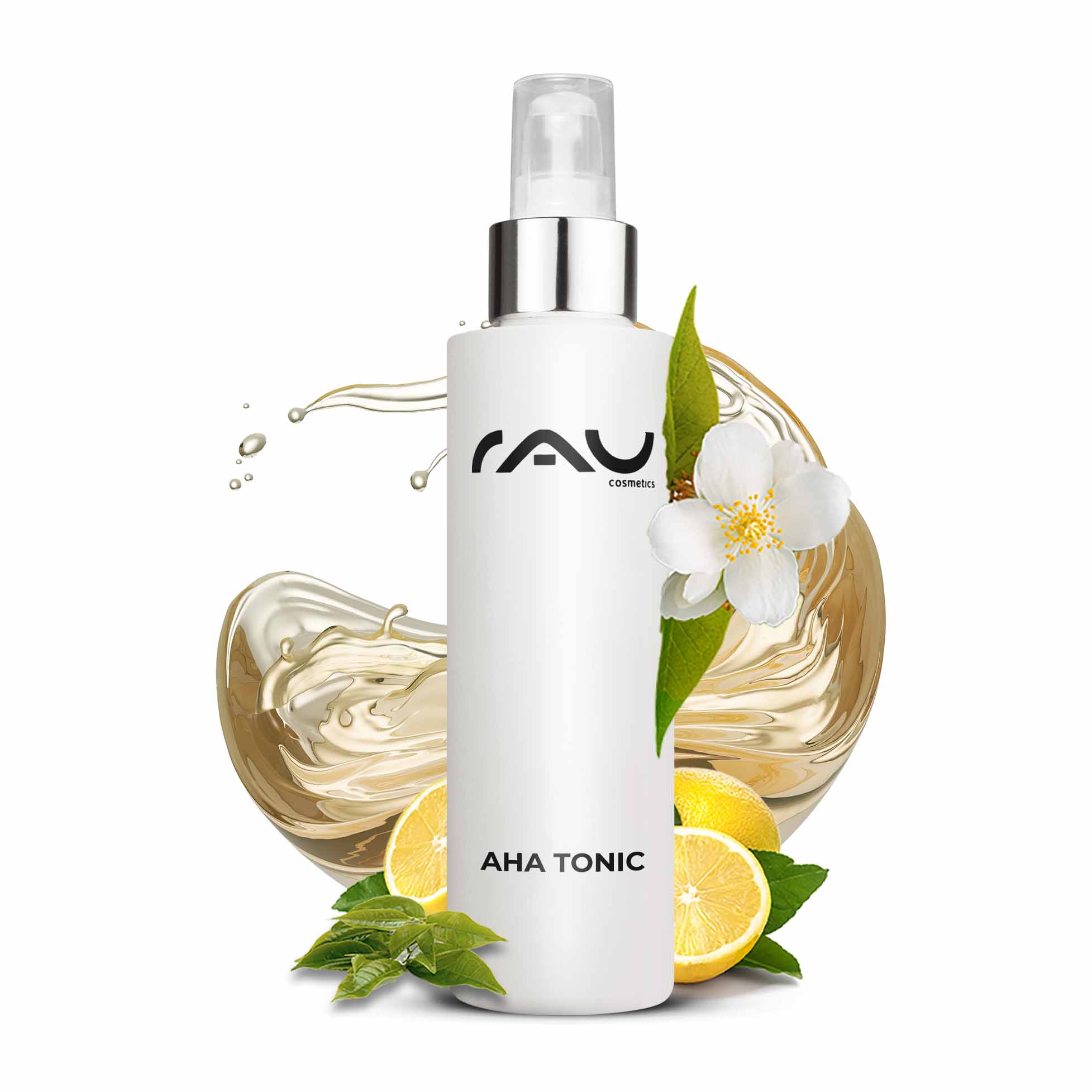
A gentle chemical exfoliation once or twice a week can help loosen dead skin cells before they become a problem. Our AHA Tonic with mild fruit acids is a good choice for this — important: use it in the evening only, and apply sun protection consistently the next morning, because AHA acids can increase light sensitivity.
For recurring blemishes or stubborn shine, niacinamide can help in a targeted way. Our Niacinamide Astaxanthin Roll-On is a practical summer tool: applied precisely to areas with shine, redness or small blemishes, it combines niacinamide with astaxanthin as an antioxidant. The roll-on format fits neatly in a travel bag and can be applied discreetly after exercise too.
If you're dealing with adult acne or hormone-related blemishes, you'll find additional tips in our article Blemish-Prone Skin After 40.
Step 4: Antioxidant Ingredients — Summer's Invisible Protection
Sunscreen blocks UV radiation, but it doesn't block all the free radicals generated by heat, smog and blue light. This is exactly where antioxidant ingredients come in: they can intercept free radicals before they oxidise skin cells and contribute to visible skin ageing.
In summer, an antioxidant morning routine is especially worthwhile: right after cleansing, apply a serum with antioxidant ingredients, then moisture, then sun protection. Astaxanthin (contained in the Niacinamide Roll-On) is one of the more thoroughly studied antioxidant ingredients in cosmetics. Vitamin E and plant-based polyphenols, for example from karanja oil in our SPF 50 sunscreen, also fall into this category.
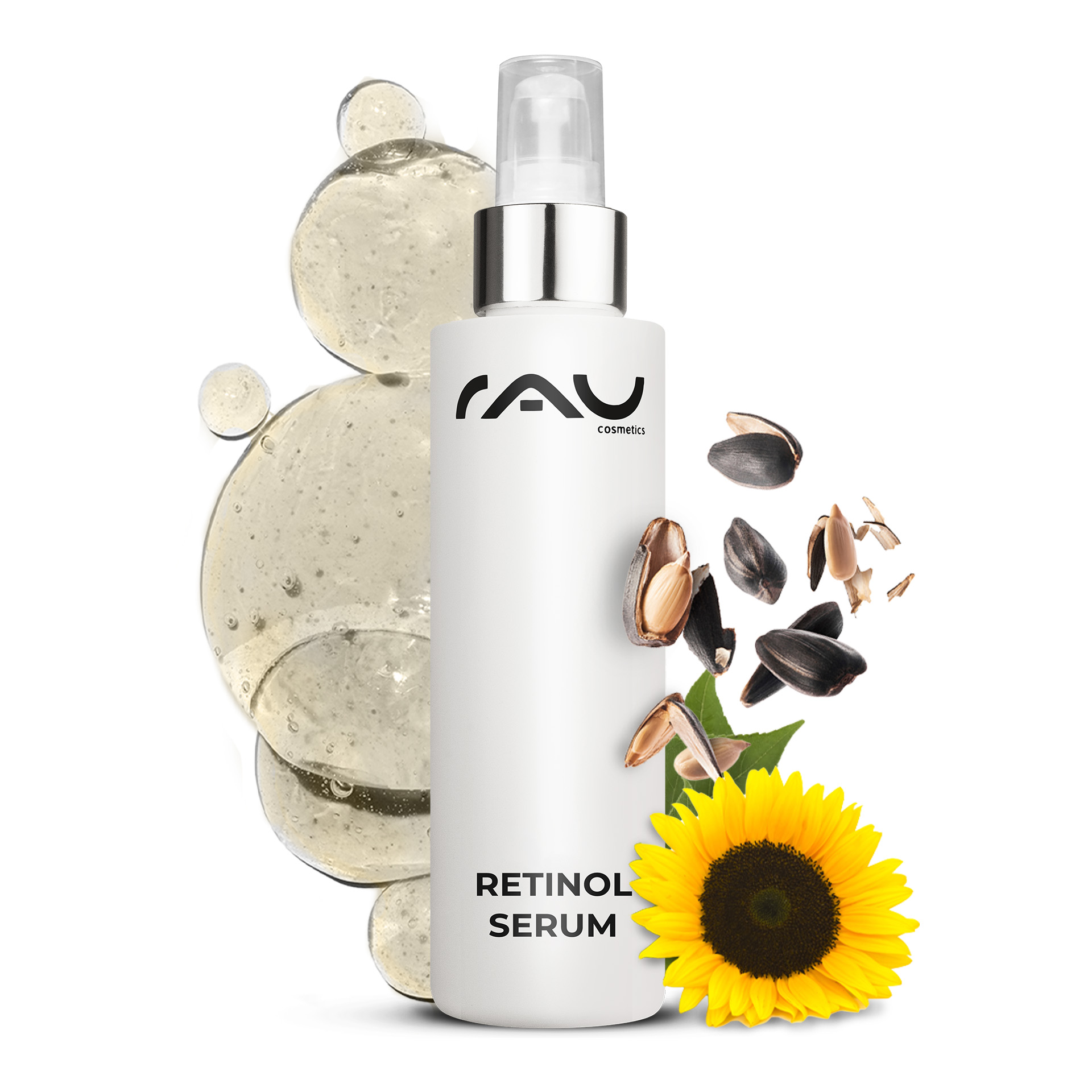
If you'd like to continue your anti-ageing routine in the evening: retinol can also be used in summer — but only in the evening, sparingly, and always combined with consistent sun protection in the morning. If you want to play it safe, pause classic retinol during peak summer and switch to bakuchiol. How retinol and sun protection work together is explained in detail in our article Retinol and Sun Protection.
Your Summer Routine in 5 Steps
Here's what a balanced summer skincare routine looks like, step by step. You don't need to use every product at once — pick one per step that suits your skin type.
Morning
- Gentle cleansing with lukewarm water. In summer, a mild cleanser is enough — no hot water, which puts extra stress on the skin barrier.
- Serum with antioxidant ingredients such as the Hyaluronic Plump & Glow Serum for moisture, or a niacinamide product for sebum regulation.
- Light moisture: Golden Hyaluron Gel for gel lovers, or Bakuchiol Sensitive Day Cream for mature skin.
- Sun protection: Sunscreen SPF 50 for plenty of sun, Hyaluron Cream SPF 10 for pure office days.
- Optional: keep make-up minimal. In summer, less is more.
Evening
- Double cleansing if you've worn sunscreen or make-up. Oil or micellar phase first, then a mild cleanser.
- AHA Tonic once or twice a week for gentle exfoliation. On other evenings, continue with a moisturising toner or go straight to serum.
- Anti-ageing ingredients: bakuchiol or retinol — both sparingly, and never on the same night.
- Moisture: a lighter night cream or a hyaluronic gel.
The exact order of individual products is explained in our layering guide, Skincare Layering. For mature skin, you'll find a well-thought-out day version in The Perfect Morning Routine for Mature Skin.
Common Summer Mistakes — and How to Avoid Them
Mistake 1: Sun protection only at the beach. UV radiation is also at work while shopping, in the car, or at a café. Applying it daily is just as important from May to September as it is on holiday.
Mistake 2: Too many layers. In summer, you swap layers — you don't add to them. Heavy night cream plus rich oil plus eye cream can clog pores, especially when skin is already producing more sebum in the heat.
Mistake 3: Treating dry skin with more oil. If your skin feels tight in summer, the instinct is often to reach for rich creams. In reality, the skin is usually dehydrated — it needs water, not oil. Hyaluronic serums or light gels are the better answer. More on this in our article Dry Skin Despite Moisturiser.
Mistake 4: Acids without sun protection. AHA, BHA and retinol increase the skin's light sensitivity. If you're using acids in summer, you need to wear sun protection consistently — otherwise pigmentation is practically guaranteed.
Mistake 5: Not reapplying sun protection. Protection doesn't last all day. After two hours outdoors, after swimming or after exercise, you should reapply. Sprays and sticks make this practical.
If you're still unsure which skin type you have and which ingredients suit you: our Skin Type Finder can help you in just a few clicks.
FAQ — The Most Common Questions About Summer Skincare
Do I really need different care in summer than in winter?
In most cases, yes. Heat, sweat and higher UV exposure change what your skin needs. Rich winter creams can clog pores in summer, while light summer textures offer too little protection in winter. Seasonal adjustment isn't a marketing trick — it's a sensible response to different environmental conditions.
Is a day cream with SPF 15 or 20 enough in summer?
For purely indoor everyday life, that can be enough. As soon as you're regularly outdoors, doing sport, or on holiday, you should switch to dedicated sun protection with at least SPF 30, ideally SPF 50. Day creams with low SPF are a bridge, not a full substitute for dedicated sun protection.
How often should I reapply sun protection?
Every two hours if you're outdoors for extended periods, plus immediately after swimming, heavy sweating, or drying off with a towel. In everyday city life with short outdoor spells, a second layer around midday is often enough.
Can I keep using retinol in summer?
Yes, but with discipline. Retinol increases the skin's light sensitivity. If you want to continue using retinol in summer, use it only in the evening, sparingly, and combined with consistent daily sun protection. If you want to play it safe, pause classic retinol during peak summer and switch to the gentler alternative, bakuchiol.
What helps against sweat breakouts on the forehead and chin?
Three levers: first, gentler cleansing morning and evening; second, weekly exfoliation with mild fruit acids like in the AHA Tonic; third, targeted care with niacinamide on affected areas. Clean helmets, sunglasses and towels regularly, since bacteria and sebum get transferred back onto the skin from them.
What does "light texture" mean — and how do I recognise it?
Light textures absorb quickly, don't feel oily, and leave no visible film. Gels, fluids and water-based serums usually fall into this category. If your product is still shiny or tacky after 10 minutes, it's too rich for your current skin.
Summer Skincare Is Prevention
Skin ageing can't be stopped — but how quickly it becomes visible depends largely on how consistently you block UV radiation and support your skin through the heat. If you pay attention to sun protection, lighter textures and extra antioxidant ingredients in summer, you're investing directly in how your skin looks in the years to come.
The good news: you don't need ten new products. A consistent daily routine with sun protection, a light moisturising serum and one ingredient for your specific summer concern (shine, pigmentation, heat breakouts) is entirely enough.
Related articles from our sun protection cluster: Which SPF Suits Your Skin Type?, Mineral vs. Chemical Sunscreen and Sunscreen for Sensitive Skin.
Note: The care recommendations mentioned here are general guidance and don't replace individual dermatological advice. Skin reactions can vary individually. For persistent issues, new pigmentation, or sunburn, please seek professional advice.