Day cream or night cream — and do you really need both? The short answer: both products serve different purposes. A day cream protects your skin from environmental influences during the day, while a night cream supports overnight regeneration. If you only want to use one cream, you can — but depending on your skin type, you're missing out on valuable care. In this article, we show you what good day and night care really does, which ingredients make sense when, and how to build a routine that suits you.
Why your skin needs different care during the day and at night
During the day, your skin has to withstand a lot: UV radiation, temperature changes, dry heating or air-conditioned air, free radicals from exhaust fumes, and blue light from screens. During the day, skin works like a shield — it fends off external influences and tries to hold onto moisture.
At night, your skin switches to a completely different mode. Between roughly 10pm and 4am, cell renewal runs at full speed: repair processes, the formation of new skin cells and the replenishment of natural skin lipids are all especially active now. At the same time, skin loses more moisture at night through what's known as transepidermal water loss. This is exactly where a night cream comes in: it supports this renewal phase with richer textures, ingredients for regeneration, and a seal against moisture loss.
A day cream, by contrast, is designed for protection — it should absorb quickly, create a make-up-friendly surface and, ideally, include an SPF. The fact that there are two different creams isn't a marketing trick — it's a response to two different biological phases.
What a good day cream should do
A day cream has to handle many jobs at once during the day. These properties matter most:
- Light, fast-absorbing texture: the cream shouldn't shine or roll under make-up.
- Protection against environmental stressors: antioxidants such as vitamin C, niacinamide or astaxanthin can help intercept free radicals caused by UV radiation and the environment.
- Moisture supply: hyaluronic acid and glycerin keep skin supple throughout the day.
- Ideally, UV protection: a built-in SPF can be a sensible baseline for everyday life — but in intense sun, dedicated sun protection is needed (more on this below).
For dry and mature skin, our Hyaluron Cream SPF10 is a good fit — a day care with hyaluronic acid and a light UV filter, well suited as everyday basic care. If you prefer a lighter texture, for example with combination skin or in summer, our Bakuchiol Sensitive Day Cream works well: it combines plant-based bakuchiol with moisturising ingredients and is a gentle alternative to classic anti-ageing day creams.
Important: an SPF of 10 or 15 in a day cream isn't enough in intense sun. If you're outdoors a lot or out and about in summer, you should apply dedicated sun protection on top — for example our Sunscreen SPF 50. More on this in our article SPF in Your Day Cream: Is It Really Enough?
What a good night cream should do
A night cream is allowed to be richer — it doesn't need to work under make-up and can take its time absorbing into the skin. These properties define good night care:
- Richer texture: plant oils, shea butter or nourishing care oils form a protective layer against overnight moisture loss.
- Regenerative ingredients: retinol, peptides or caviar extract work best at night, when cell renewal is active.
- Soothing and repair: niacinamide, panthenol or ceramides help calm minor skin irritation overnight.
- No UV filters needed: since there's no sunlight involved, UV filters are unnecessary at night — and retinol would become unstable under UV light anyway.
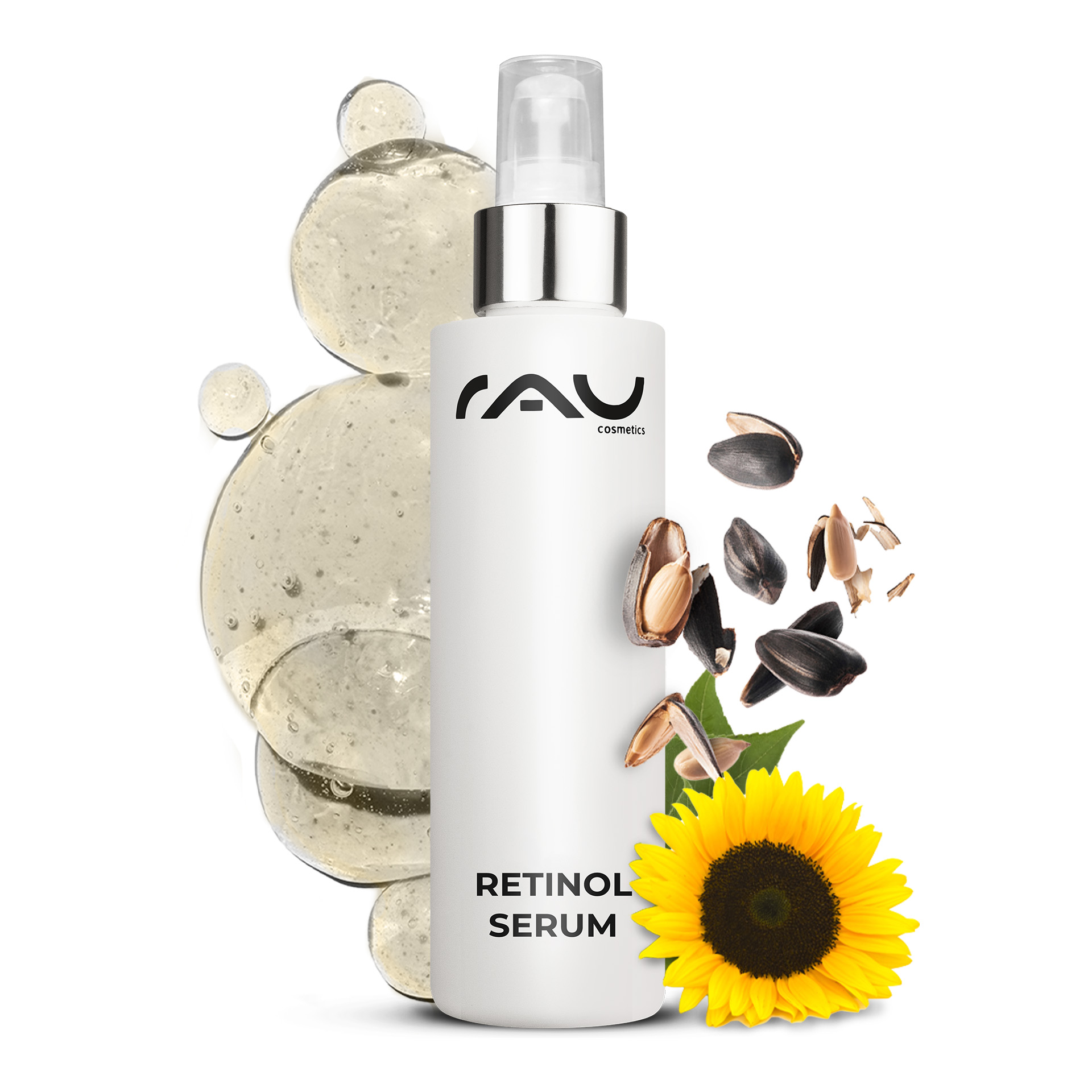
For evening care from around age 40, a combination of a regenerating serum and a richer night cream is often recommended. The Retinol Serum is a classic night ingredient — retinol ideally works in the dark, because it's light-sensitive. If you don't tolerate retinol, you can switch to the gentler Bakuchiol Sensitive Day Cream instead, which can also be worn in the evening.
For mature skin that needs more support in the evening, the Caviar Lifting Serum with Argireline and caviar extract is an intensive option. A richer consistency such as the Golden Hyaluron Gel can be applied on top as a moisture-binding layer.
Is one cream enough — or is switching worth it?
The honest answer: it depends on your skin type, your age and your everyday life.
One cream can be enough if:
- You have balanced, normal skin and aren't pursuing specific anti-ageing goals.
- You have very sensitive skin and want to keep your product count as low as possible.
- You use a rich all-rounder cream that you can wear both in the morning (possibly with added SPF) and in the evening.
Two creams make sense if:
- You want to use anti-ageing ingredients like retinol — which belong in your evening routine.
- You need SPF during the day but want richer regenerative care in the evening.
- Your skin feels different in the morning than in the evening (e.g. drier at night, oilier in the morning).
- You're in or past menopause and your skin noticeably needs more care.
For women over 40, switching between day and night care is almost always worthwhile. Skin produces less sebum, the natural moisture film thins, and the renewal rate slows down. A rich night care can support skin significantly more here than a day cream alone. Find out more on this topic in our article Skincare After 40: These 5 Ingredients Shouldn't Be Missing.
How to build a day-night routine that really suits you
A sensible routine isn't about twelve steps — it's about good order. You can expand this simplified structure however you like:
Morning (3–4 steps):
- Gentle cleansing with lukewarm water or a mild cleanser.
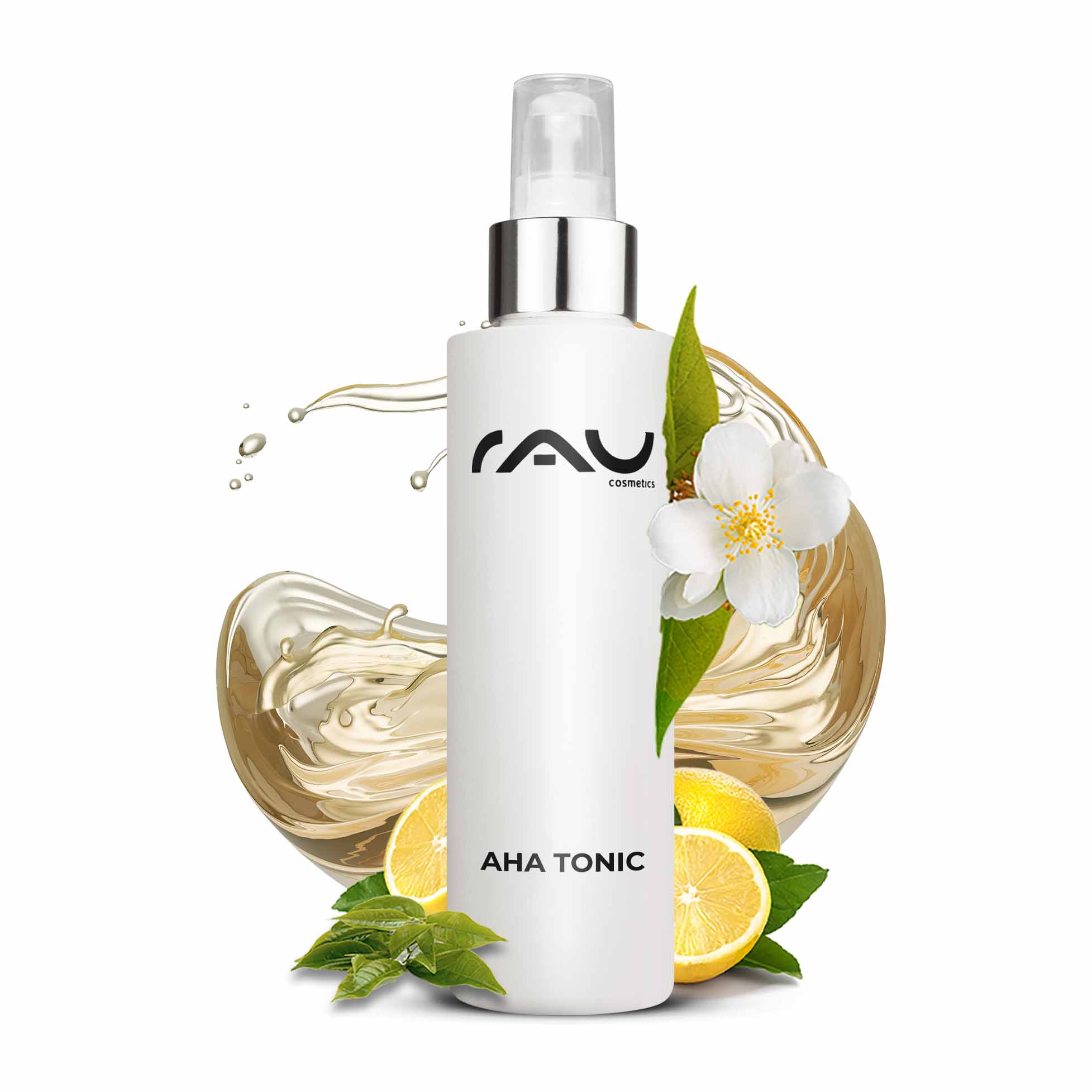
- Toner or tonic — for example our AHA Tonic for a more even complexion.
- Moisturising serum, e.g. our Hyaluronic Plump & Glow Serum.
- Day cream with or without SPF — plus dedicated sun protection in strong sun.
Evening (3–5 steps):
- Thorough cleansing (possibly double cleansing if you've worn make-up or sunscreen).
- Toner or tonic — gentle, without irritating ingredients.
- Active serum, e.g. Retinol Serum or Caviar Lifting Serum.
- Moisture binder such as the Golden Hyaluron Gel.
- Richer night cream or a nourishing eye-area treatment such as the Niacinamide Astaxanthin Roll-On.
The order matters here — it follows the rule "from thinnest to thickest product". If you'd like to go deeper into layering, our article Skincare Layering: The Right Order has a detailed guide. For a compact day routine, we recommend the article The Perfect Morning Routine for Mature Skin, and for evening care, the article Evening Routine After 40.
Frequently asked questions about day cream and night cream
Can I use my night cream during the day too?
In theory, yes — but it's rarely a good idea. Night creams are often too rich for daytime, absorb more slowly, and occasionally contain ingredients like retinol, which become unstable under UV light and can make skin more light-sensitive. If you wear retinol during the day, you need consistent sun protection no matter what.
Do I really need anti-ageing ingredients in my night cream?
That depends on your age and skin goals. Ingredients like retinol, peptides or caviar extract can help skin appear more even and cared-for over the weeks. Results can vary individually, and visible changes usually take several weeks of regular use. If you have sensitive skin, you can use plant-based bakuchiol instead of retinol.
Is a night cream too rich in summer?
Sometimes, yes. In summer, the same night cream that worked in winter can feel too heavy. A lighter solution is a hyaluronic acid gel or a moisturising serum instead of a dense cream. Find out more about seasonal adjustment in our article Summer Skincare for Your Face.
I only use one cream — when should I switch to two?
When your skin feels different in the morning than in the evening, when you notice early lines or pigmentation, or when you're going through menopause and your skin feels noticeably drier. Anyone who hasn't had sun protection in their day care before also often benefits from switching to a day-night system with built-in UV protection.
What order applies: serum first or cream first?
Always from the thinnest to the thickest texture: toner — serum — eye care — cream. If you use an oil, it comes last as a seal. We've described the order in detail in our layering guide.
What if I don't really know my skin type?
Then the best place to start is our Skin Type Finder — it gives you an initial idea in just a few steps of what care suits you.
Our conclusion: care that suits you
Day cream and night cream aren't a marketing invention — they reflect two real needs of your skin. During the day, it's about protection; in the evening, it's about regeneration. If you support both phases deliberately, you're giving your skin care that matches its natural rhythm. If you'd rather use just one cream, you can — but you should choose it consciously.
At RAU Cosmetics, we don't believe in "one cream for everything". We believe in well-formulated ingredient combinations that suit your skin type, your life stage and your everyday life. Whether you choose a separate day-night routine or manage with fewer steps — what matters is that your care happens regularly and that you choose ingredients that suit you.
Note: The care effects described in this article can vary individually. For specific skin conditions, we recommend consulting a dermatologist.